Field Study
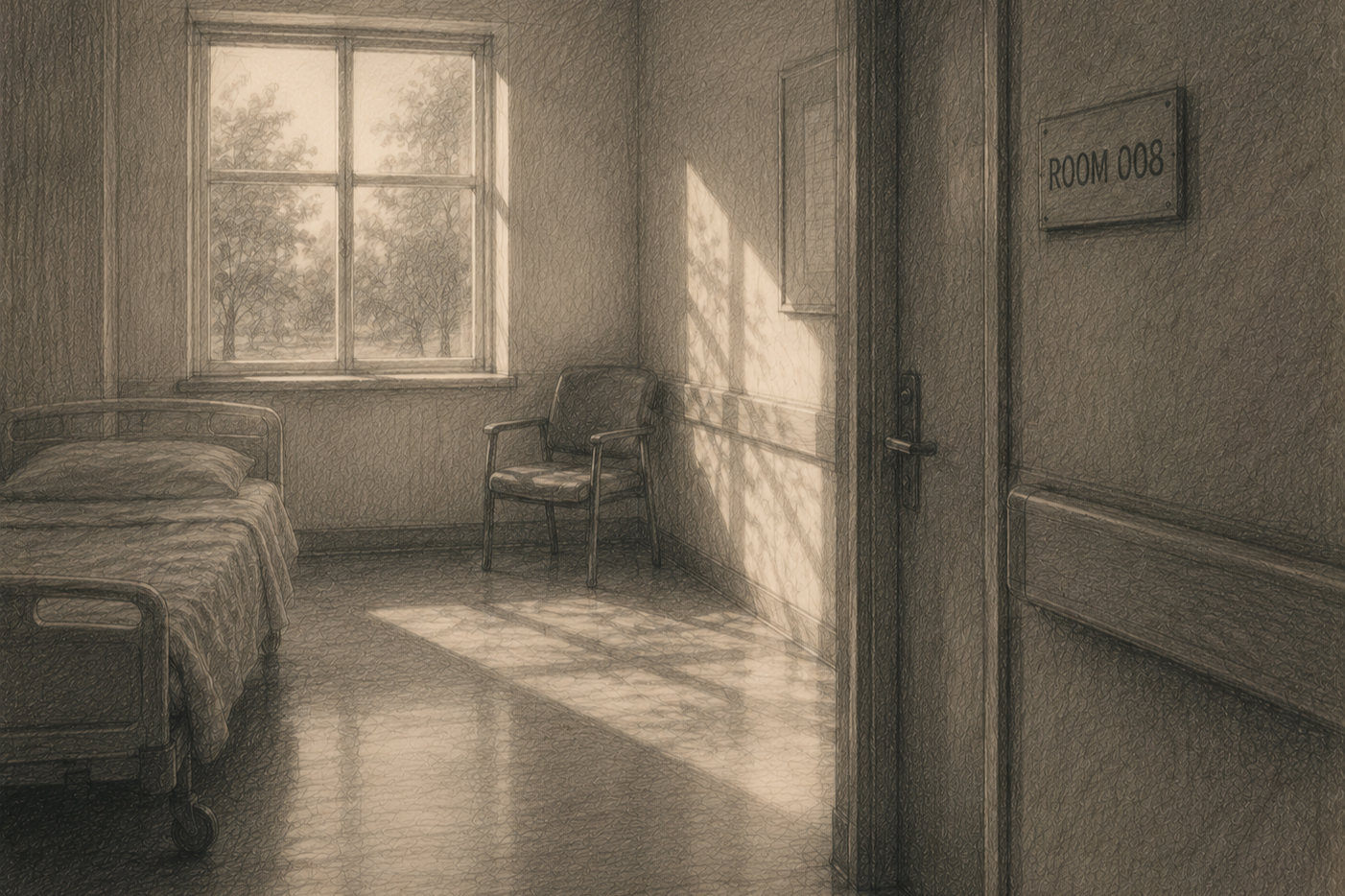
Room 008
The Architecture of Attachment
M&M
He was tall and slender, maybe thirty, but carried the bright restlessness of a boy who’d never been told to sit still.
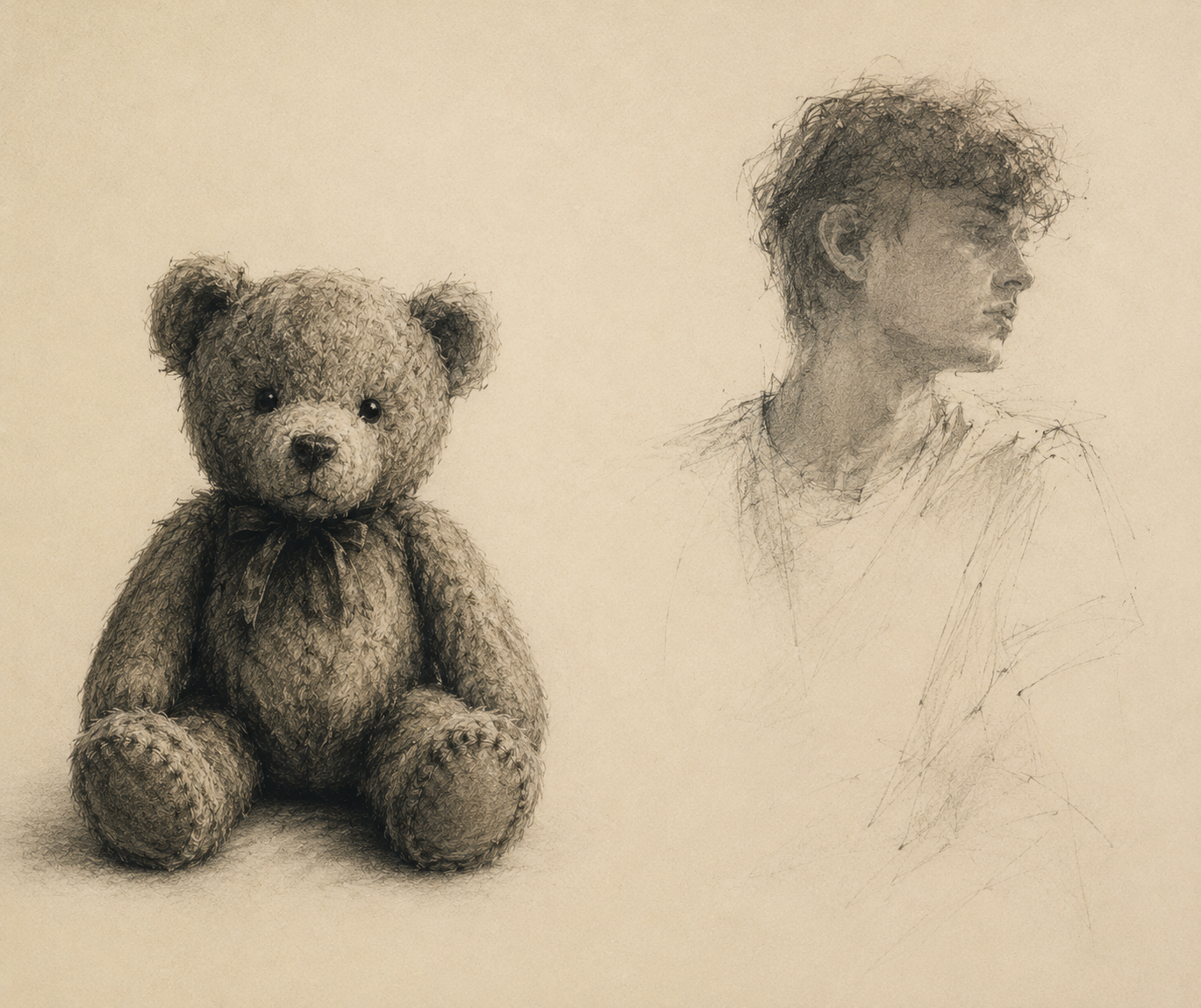
“My name’s Mason,” he said, “and this is Milo,” pointing to the small stuffed bear tucked into the collar of his shirt.
“We go by M & M. Get it?”
He grinned, amused with himself, waiting for me to laugh too.
It was early—5:15 on a Sunday morning.
Fall had settled in, and the air carried that heavy quiet before dawn. Outside, the courtyard was still pitch-black, the trees only silhouettes against the faint glow of the security lights. No sunlight yet—just the cool stillness of a world not fully awake.
He talked fast, words tumbling out before they were ready.
“I’ve got ADHD,” he said. “And something else—can’t remember the name—but it makes me forget stuff.”
He grinned again.
“I’m adopted too.
“My mom doesn’t talk to me much”
“But I’m old enough to sign for myself.”
He said it with the kind of pride children use when they’re trying to prove they don’t need you.
Then, just as quickly, he spun away, the bear’s head bobbing like it was leading him somewhere safer.
The next Sunday, I saw him again.
You never know what you’re walking into on the unit—who’s still here, who’s gone, who’s having a better week.
When I walked in, I barely noticed him at first.
He was sitting at the nurses’ station on a small wooden chair, shoulders slumped forward, eyes fixed on nothing.
When he finally looked up at me, his eyes were sad.
I stopped beside him, waiting for the familiar grin.
Instead, his smile drooped.
“What’s she doing here?”he whispered, then louder,
“What’s she doing here?”
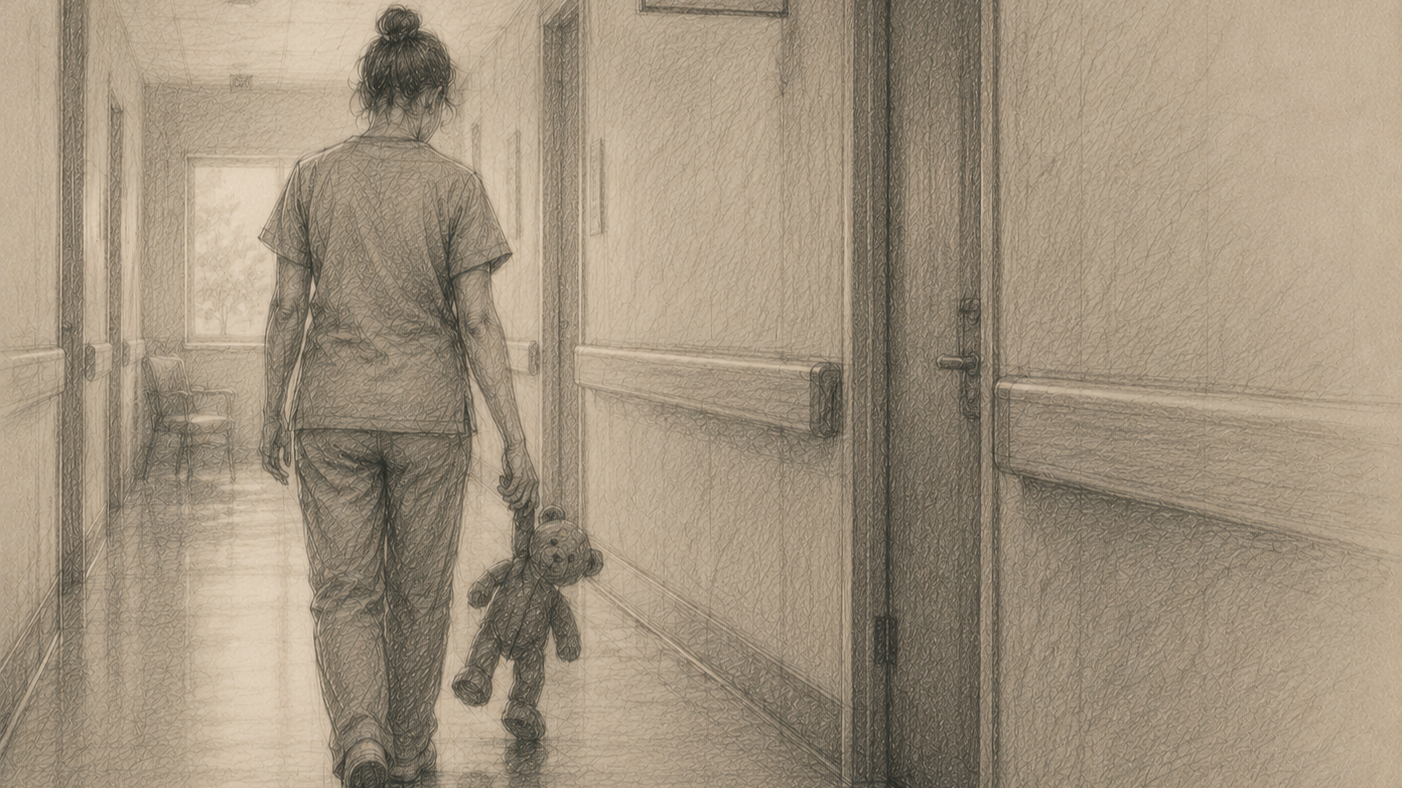
He stood up abruptly and ran.I noticed Milo was gone from his collar that day.
Maybe that was why the air felt different—thinner somehow.
The absence of something small and familiar can shift an entire room.
The silence that followed felt louder than his shout.
The hallway stayed still long after he’d gone, as if the air itself was holding its breath.
A few days later, he was back to high-fives and fast words.
“Hey!” he said, rushing toward me.
“I’m on a one-to-one now. Told the doctor some things he didn’t like.”
He laughed like it was a game.
“Guess what?” he said, bouncing a little.
“I get to go home.”
“Are you excited?” I asked.
He nodded, then hesitated.
“Yeah.
I mean…
I was supposed to go home.
But my mom ghosted me.”
His voice cracked, and then he smiled again—too quickly, like he was saving face.
“The doctor asked if I wanted to go to an institution instead.
I said yes.”
The words hung there, thin and fragile.
For a moment, neither of us said anything.
I wondered if the conversation about home had changed something.
I looked at him.
The forced grin.
The empty collar where the bear used to be.
He reminded me how practiced people become at surviving disappointment.
I wondered about his mother.
Had she once held his tiny hand while crossing a street?
Lifted him into the air until he squealed with laughter?
At what point did warmth become silence?
We are all children once.
We all just want to be held.
Then. Now. Still
Early the next Sunday morning, he found me in the hallway, eyes bright again.
“Guess what? I’m going home tomorrow.”
“That’s great,” I said. “What’s the first thing you’ll do when you get there?”
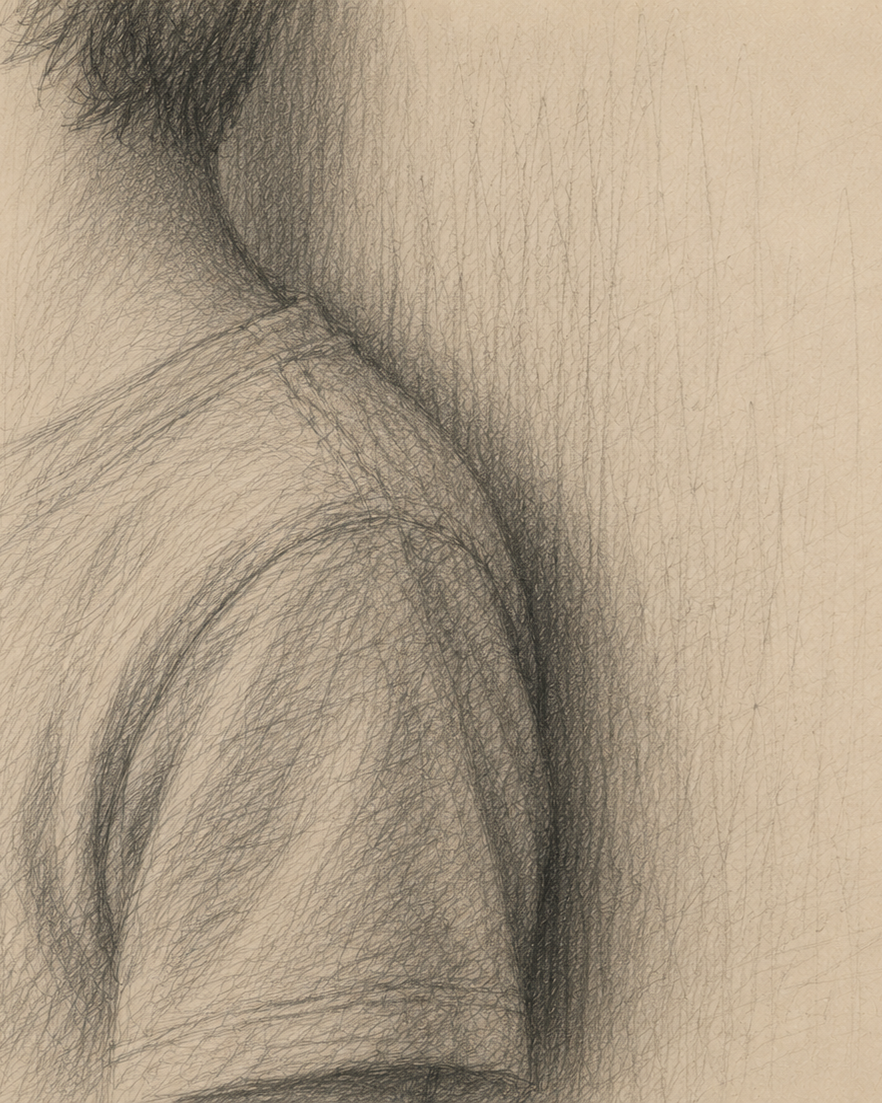
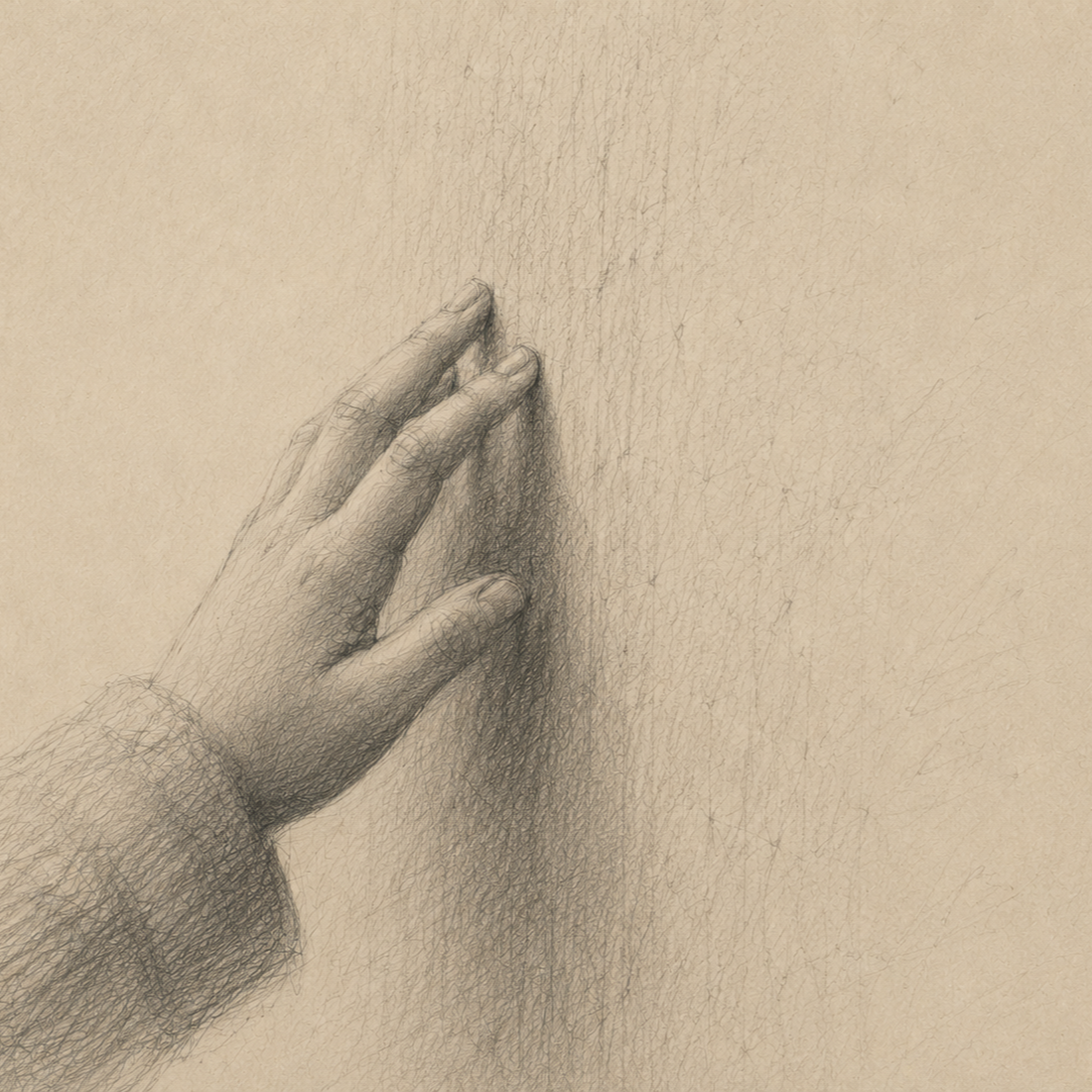
He leaned back against the wall, rubbing his shoulders against it the way some people do when they need to feel where their body ends and the world begins.
“Train my dog,” he said, his voice rising and falling with excitement.
“What kind of dog?” I asked.
He kept moving against the wall, slow and rhythmic.
“A mutt,” he said finally, smiling like the word itself was loyal. “But he’s smart.”
I smiled. “I bet he is.”
He nodded, still rocking slightly, the grin holding just long enough to feel real.
I didn’t ask about his mother.
Hope,
fragile hope,
deserved to live a little longer.
When I left the unit that day,
the silence followed me out.
Some rooms stay with you.
Their shape.
Their ache.
The people who tried to make sense of both.
Love begins with holding.
Some people spend their entire lives
waiting to feel that weight again.
Field Note: On the Architecture of Attachment
Belonging is one of the first structures we inhabit.
It is built early, but it cannot survive without repair.
When it cracks, people rarely stop reaching.
They simply learn different ways to ask.
Mason's architecture was made of reach and retreat.
High-fives.
Laughter.
Sudden withdrawal.
Each week he rebuilt connection, like a child stacking blocks someone else kept knocking down.
I used to think maturity meant standing alone.
Now I wonder if it is something quieter.
Knowing when to lean.
Knowing when to stay.
Knowing when to reach again after disappointment.
Perhaps we never stop needing to be held.
We simply become better at hiding the wanting.